Eight Iranian women: what reporting confirmed—and what the viral execution claim did not
The eight women pictured are real, but independent reporting did not confirm that all faced imminent execution. By late April, only Bita Hemmati had a confirmed death sentence among the eight; Hengaw later reported that the sentence was overturned and the case sent for retrial.
Reviewed and published by: HumanInChain Editorial Team ·
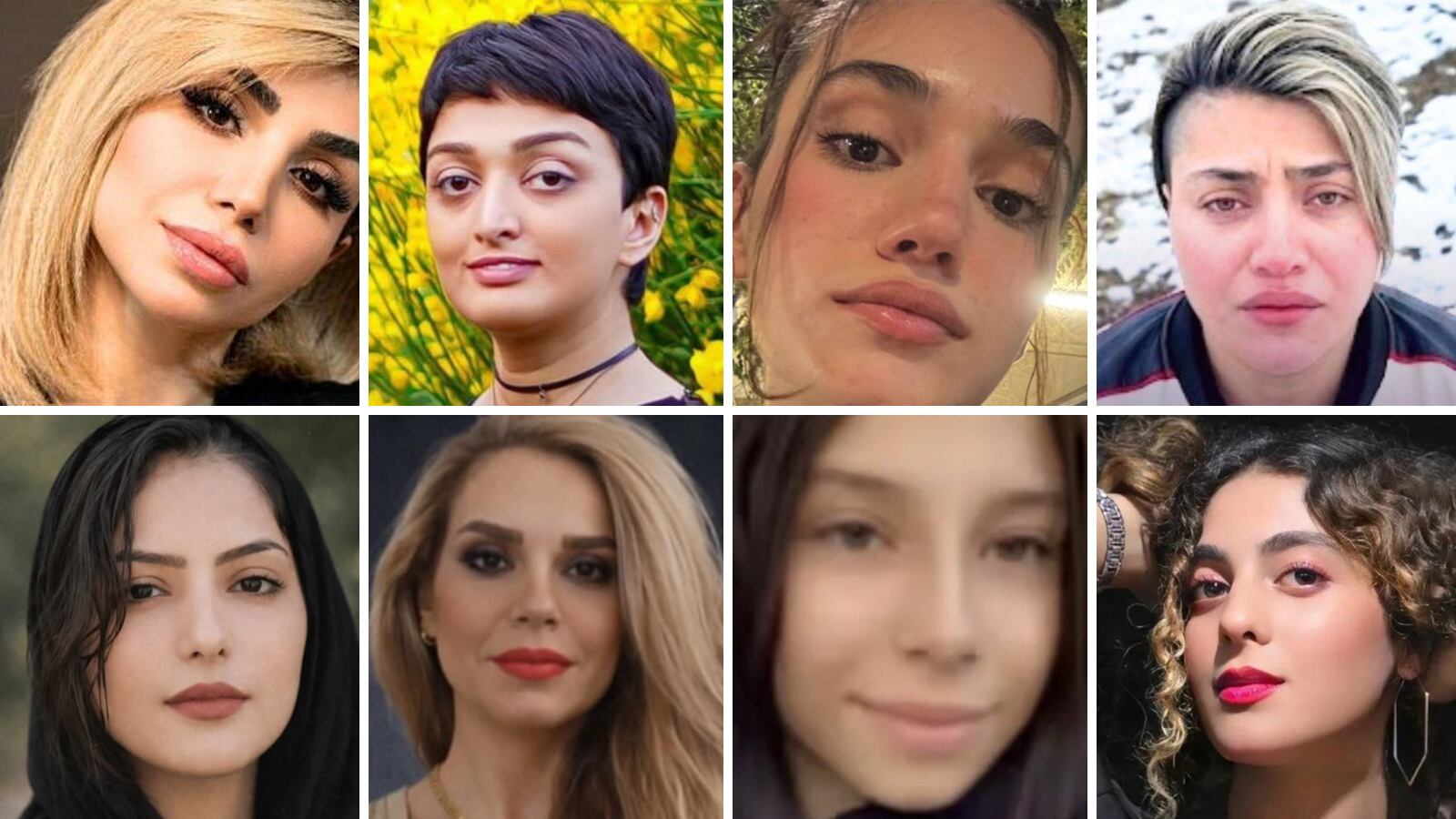
In April 2026, a composite image of eight Iranian women circulated widely with the claim that all of them faced imminent execution. The women pictured are real: Bita Hemmati, Diana Taherabadi, Ensieh Nejati, Ghazal Ghalandari, Golnaz Naraghi, Mahboubeh Shabani, Panah Movahedi Salamat, and Venus Hosseininejad. But authentic identities did not mean their reported legal situations were identical.
Reporting by The National and Euronews found different reported circumstances across the eight cases: arrest, continued detention, disappearance or lack of information, release on bail, and charges that can carry severe penalties. In several cases, the judicial outcome or even the place of detention could not be independently established. The claim that all eight women were then facing imminent execution was therefore not supported by the available reliable evidence.
By late April, independent reporting had identified a confirmed death sentence for only one of the eight women: Bita Hemmati. That finding was a point-in-time assessment in an evolving situation. It does not mean the other women were safe or that concerns about their detention and due process were insignificant.
On 22 May, Hengaw and HRANA reported that Iran’s Supreme Court had overturned the death sentences of Bita Hemmati and Mohammadreza Majidi-Asl and sent the case to a parallel court for retrial. An overturned sentence does not close the case or remove every risk, but it materially changes the reported legal status and must be included in subsequent coverage.
HumanInChain publishes this page as a monitoring digest and correction of a public claim. Human-rights urgency requires precision: each person’s name, legal status, and later case developments should be checked separately and reported with clear attribution.
Image credit: Composite of the eight women published by The National. No face was generated, replaced, or reconstructed; the image was only cropped and resized for the news format.
Sources
- The National — Where are the eight Iranian women Trump claimed to save from execution? ·
- Euronews — What do we know about the viral claims of Iranian protesters facing execution? ·
- Hengaw — Supreme Court overturns death sentences of Bita Hemmati and Mohammadreza Majidi-Asl ·
- HRANA — Supreme Court overturns death sentences of Mohammadreza Majidi-Asl and Bita Hemmati ·